
Successful Interviews: Best Practices & Tips from Interviewees (Part 3 of Interview Success Series)
February 19, 2026 in Industry Insights, Recruitment & Retention, Selection & Assessment, Talent
By Sarah Tucker & Emma Wright
No one understands the interview experience quite like someone who’s been through it. While advice from interviewers can help you understand expectations, hearing from fellow interviewees can show you what the process actually feels like, and what makes a difference before, during, and after an interview.
In this third and final installment of the Interview Success series, FMPers share their candid reflections on how they prepared, what helped them stay grounded, how they followed up, and what they wish they had known sooner. Their insights offer encouragement and actionable tips you can carry into your next interview.
What’s one thing you do to prepare for an interview that makes a big difference?
Jen Long: Practice! It made a huge difference to practice my responses using the STAR method, writing down notes and helpful stories I could refer to. Then, I rehearse in front of a mirror to work on body language or, if it’s a virtual interview, I set up a private virtual meeting to simulate the real experience.
James Wilcox: For me, the most impactful way to prepare for an interview is to go through the duties in the job description bullet by bullet and identify specific examples where I’ve completed similar tasks in the past or outline how I’d approach them today. This helps bring past projects and approaches to the top of my mind so they’re easier to recall and share during the interview.
How did you calm your nerves or build confidence before the interview?
Jen Long: I make sure to go outside for a short walk to get some fresh air to clear my brain, calm my nerves and center my thoughts.
James Wilcox: As someone who experiences a lot of performance anxiety during interviews, building confidence is essential. What I do here is prepare thoroughly in the days leading up to the interview, but on the day of I take a different approach: I review my notes briefly, then about 30–60 minutes beforehand I put everything away and do something that brings me joy, like going for a walk or listening to a podcast. This gives my mind space to feel more relaxed and present during the interview, while still keeping the information I need accessible.
What’s something you wish you had done differently during an interview?
Jen Long: I wish I had thought through a few more Situations, I ended up using an example of past work experience in a second interview when I had already used it in the first round.
How do you follow up after an interview and what impact do you think it has?
Jen Long: I always follow up with a thank-you note within 24 hours. In the note, I make sure to: express appreciation for their time and the opportunity to interview; include a personal comment about something memorable from the conversation, maybe an interesting project they mentioned or a shared interest we discussed; and, ask a thoughtful follow-up question related to the role or company, which shows continued interest and engagement. In addition to sending a note to my interviewer, I send a note to the HR recruiter with a similar message. I thank them for setting up the interview, include a personal comment and ask a follow-up question about the role or company.
What’s your top piece of advice for someone interviewing?
Jen Long: Be yourself and trust your gut! You will know if the role and company are a good fit.
James Wilcox: My top piece of advice for someone interviewing is to remember that while you’re being evaluated, you’re also evaluating the employer. You can do this by asking questions to get clarity on the role, team dynamics, organizational culture, growth opportunities, etc. Framing the interview this way turns it into a two-way conversation rather than a one-sided test, which can ease the pressure and help you stay more present and relaxed.
What’s a question you always ask your interviewer(s)?
Jen Long: I always ask about the company culture and what their favorite team event or tradition is. This question gives me insight into how the team connects beyond day-to-day work. If they struggle to answer, it can be a sign that the organization may not prioritize camaraderie and team spirit, both of which are important to me in the workplace.
James Wilcox: When speaking with a hiring manager, I make sure to try and get clarity on the role’s expectations and the team dynamics. Questions like, “If someone in this role were to exceed your expectations in the first year, what would they have accomplished?” or “What’s the most important project you’d want me to tackle immediately?” help me understand how I can contribute effectively. I also ask, “What skills or qualities make someone a great fit on the team?” or “How are responsibilities divided across the team, and where does this role fit in?” – these provide insight into how the role operates within the broader team. Asking these questions not only helps me understand the specifics of the role and how exciting it might be for me, but it also reinforces the idea that the interview is a two-way conversation, where both sides are evaluating fit.

Standout Tips and Insights
A few themes emerged consistently across interviewee experiences:
- Practice makes a meaningful difference. Rehearsing stories, refining examples, and preparing aloud increases confidence and clarity.
- Manage energy, not just content. Breaks, walks, and moments of calm can reset your mindset before you enter the (virtual or physical) interview room.
- Treat interviews as two-way conversations. Asking questions helps you understand whether the role, culture, and expectations align with your goals.
- Thoughtful follow-up strengthens connections. Personalized thank-you notes leave a lasting impression and reflect genuine engagement.
- Self‑awareness matters. Reflecting on your own values and needs helps you determine whether the organization is the right fit for you.
The interview process can feel overwhelming at times, but hearing from others who have walked the same path can make it feel more manageable. These reflections remind us that preparation, presence, and authenticity go a long way, and that each interview is an opportunity to learn more about yourself and the roles you’re pursuing.
As you continue your career journey, we hope these insights help you step into your next interview with greater confidence and clarity.
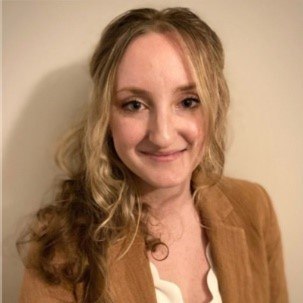
Sarah Tucker is a Senior Consultant at FMP LLC, helping organizations diagnose and solve work-related challenges. She earned an M.A. in Industrial/Organizational Psychology from Middle Tennessee State University. Sarah has worked with organizations to improve their effectiveness in multiple capacities for five + years. She is passionate about improving work-life and making a lasting impact on the human capital environment.

Emma Wright joined FMP in November 2020. She is a Senior Consultant in the Learning and Development Center of Excellence and is the FMP Blog Editor. She supports a variety of initiatives across multiple clients, including program management, strategic planning and communications, and training and development. She hails from Alexandria, Virginia, and you can often find her cooking, out at a concert, or eating at her favorite DC restaurants.