
The Debate Series: New Years Resolution vs. No Resolution
February 12, 2026 in The Debate Series, Wonders of the Workplace
By Zoe Nerantzis, Sarah Tucker, Sam Deschenes and Jonathan Horowitz
As we step into February, many of us find ourselves reflecting on the promises we made at the start of the year. How are you doing with your New Year’s resolution? Did you set one? If you did, are you still working towards it, or has it already begun to fade into the background noise of everyday life?
In the first installment of The Debate Series, FMPers Sam Deschenes and Jonathan Horowitz explore the tradition of New Year’s resolutions from two very different angles. Through a mix of humor, critical thinking, and personal experience, they unpack whether resolutions spark real change, create unnecessary pressure, or simply offer a collective moment to reset with the support of shared momentum. Their back-and-forth highlights differences in how we each approach motivation, goal setting, and personal growth

1. What’s the biggest benefit/downside of having a New Year’s resolution?
Sam Deschenes: The biggest benefit is that it provides a common starting point to begin achieving a goal; theoretically, you are aligned with a large mass of people who are also trying to achieve a resolution. That shared momentum can give good social backing that helps when starting a new goal. You could start a resolution at any point in the year. However, there is collective energy around January 1st, and I think riding that wave adds value. Achieving a resolution at any time is beneficial, but the New Year offers social momentum many people find helpful.
Jonathan Horowitz: The downside? I think it sets people up for unrealistic goals. I don’t understand why we need to pick a particular calendar date to get involved in a resolution. If you know you need to go work out, start today. Why wait? It’s almost like procrastinating and putting off something you should already be doing. And if you look at any gym in the country, the beginning of the year is when people sign up, and then they trickle off. So, it leads to failure, and then you start feeling bad about yourself… It doesn’t create lasting change most of the time.
2. Are New Year’s resolutions realistic or do they set people up for failure?
Jonathan Horowitz: Why wait? If it’s July 4th, are you going to set a New Year’s resolution for six months down the road or do it right then? I think it’s the New Year’s timing that sets people up for failure. It’s become a social thing. If my friends are doing it, then I’m going to do it, but at some point, you wake up and realize you’re not actually interested. You need internal drive, regardless of the time of year.
Sam Deschenes: If you practice good goal‑setting, it doesn’t have to set you up for failure. People know New Year’s is coming, and if they take the time to set an achievable goal, whether incremental or a SMART goal, it can work. It’s not inherent to New Year’s resolutions that they cause failure. It’s improper planning that leads to failure. With good preparation and planning, plus the social momentum, it can actually be a great time to start.
3. Do resolutions help create accountability, or do they create unnecessary pressure?
Jonathan Horowitz: I’m going to go with unnecessary pressure. It’s like when the witch flips the hourglass in The Wizard of Oz—you know the deadline is coming. Why wait for the sand to run out? Just start now. Don’t rely on the social component. Be yourself. Be an individual. Don’t wait for your friends to say, ‘We have to go to the gym.’ Just do what makes you happy.
Sam Deschenes: I think it does help create accountability. Accountability helps you achieve the goal you set. There are two types: internal and external. Internal accountability is always necessary. External accountability, which New Year’s resolutions can strengthen through social support, can also be helpful. You don’t have to share your resolution publicly. Sharing it with even one person can create the right amount of external accountability.
4. Is it better to set one big resolution or focus on small, ongoing habits throughout the year?
Jonathan Horowitz: Small, ongoing habits, definitely. I’m a big fan of checklists. Checking things off builds momentum. Even in project management, you break a big goal into smaller pieces. Small victories keep you motivated and invested.
Sam Deschenes: One big resolution can still include small, achievable goals that support it. However, this question creates a false dichotomy, it’s not big OR small. Both can exist. If your resolution is to run a marathon, you don’t start by running 26 miles. You build habits with smaller goals that move you toward the larger resolution. The techniques work together.
No matter where you land on the topic of New Year’s resolutions, this conversation shows how nuanced and personal goal setting can be. Whether you find motivation in the energy of a collective reset, prefer to build small habits throughout the year, or reject the idea of tying change to a date entirely, there’s value in examining what truly drives us.
We hope this debate sparked new insight, challenged an assumption, or simply was a fun read to break up the workday. Stay tuned for the next installment of The Debate Series, where we continue exploring everyday questions through thoughtful dialogue and a diversity of viewpoints.
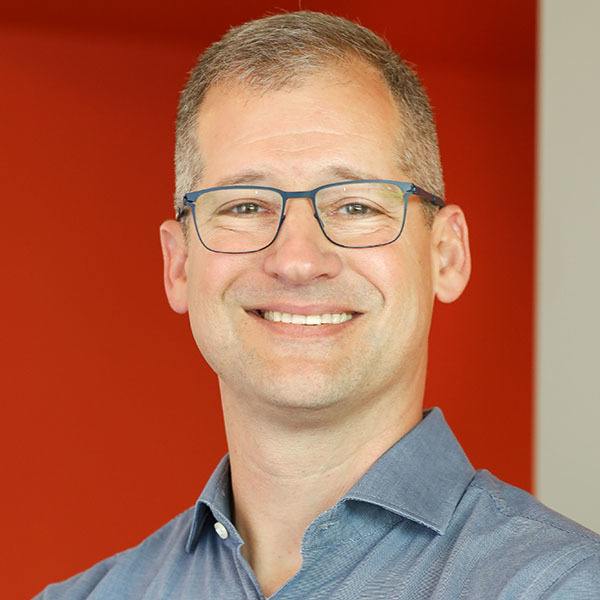
Jonathan Horowitz is a Managing Consultant with a focus on data modeling, data architecture, data transformation, and data visualization. He lives in Chicago with his husband and their 3-year-old lab, Cooper. For fun, he enjoys trying new restaurants around the city, gardening, playing urban planning video games, and making valiant attempts at cooking.

Sam Deschenes is a Senior Human Capital Consultant and joined FMP in November 2020. He is also the head of FMP’s Sustainability Committee. He received his master’s in Industrial/Organizational Psychology from Middle Tennessee State University. Sam works with agencies to improve and implement performance management, performance pay, and strategic workforce planning by providing support with data analysis, policy analysis, and program management. In his free time, Sam enjoys running, drumming, deep diving into his newest interest, or exploring the offerings of D.C.

Zoe Nerantzis joined FMP as a Consultant in May 2021. She received her master’s degree in Industrial/Organizational Psychology from George Mason University and currently works with the National Library of Medicine. Zoe is from Rockville, Maryland and can generally be found reading fantasy novels, going to the gym, or rooting for the Washington Commanders.
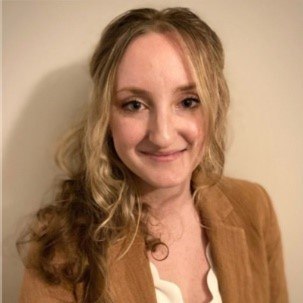
Sarah Tucker is a Senior Consultant at FMP LLC, helping organizations diagnose and solve work-related challenges. She earned an M.A. in Industrial/Organizational Psychology from Middle Tennessee State University. Sarah has worked with organizations to improve their effectiveness in multiple capacities for five + years. She is passionate about improving work-life and making a lasting impact on the human capital environment.