
Successful Interviews: Best Practices & Tips from Interviewers (Part 2 of Interview Success Series)
February 5, 2026 in Industry Insights, Recruitment & Retention, Selection & Assessment, Talent
By Sarah Tucker & Emma Wright
Most candidates walk into an interview ready to share their experiences, skills, and enthusiasm. Yet many still wonder which parts of their preparation will actually resonate once the conversation gets going. To help bridge that gap, we turned to the people on the other side of the table. In this installment of our Interview Success series, we’re taking you behind the scenes by sharing honest, practical advice from FMP interviewers themselves.
These insights offer an inside look at what makes a candidate memorable, what signals preparation, and how you can approach your next interview with greater confidence.
Understanding the interviewer’s perspective can make a major difference in your preparation. While candidates often focus on delivering the “perfect” or “right” answer, interviewers are looking for much more: curiosity, authenticity, a clear connection to the role, and evidence that you’ve taken time to learn about the organization.
What’s a question you enjoy answering when candidates ask it and why does it stand out to you?
Wendy Joachim: I love it when a candidate shows a personal interest and is engaged in the conversation versus reading a rehearsed question. One favorite is when they ask about my personal story, how I landed at FMP, and why I’ve stayed. Questions like these enable an interviewer to share personal insights and let’s face it, they are fun! These questions also allow us to share the softer side of FMP, which is a very important part of our sales pitch!
Maya Fox: Questions related to why interviewers chose FMP, what our experiences have been since joining the company or what influenced people with a longer tenure to stay with the company stand out. These questions also demonstrate that a candidate wants to learn more about the people they could be potentially working with. These questions also allow our team to share a wealth of information with candidates about the culture, people, and processes of FMP.
What qualities or behaviors signal that a candidate is well-prepared?
Amanda Palla: A well-prepared candidate shows they’ve taken time to learn about the organization. At a minimum, they should review the company website and look up the LinkedIn profiles of their interviewers. Well-prepared candidates also come with thoughtful questions that go beyond generic topics and connect to something specific about the company or the people they’ll be speaking with.
Wendy Joachim: It is always very evident if a candidate does their research. I like it when they share that they have read our blogs and reference them and/or our specific client work. Candidates also receive the names of their interviewers prior to the meeting. A little bit of LinkedIn research goes a long way and when someone knows a bit about an interviewer’s history or past client work, they are sure to impress!
Maya Fox: A well-prepared candidate arrives on time, is able to speak concretely about how their skills and interests align with the role, and explain why they are interested in working at FMP.
What’s a common mistake candidates make and how can they avoid it?
Amanda Palla: A common mistake I see candidates make is not keeping their answer focused on the question that was asked and discussing completely unrelated topics. Ensure that you understand the question and then focus on answering the question as directly as possible. Keep your answer to three to five minutes and allow the interviewer to ask follow-up questions. If you’ve been speaking for 10 minutes, you have probably gone off topic.
Wendy Joachim: There are so many job postings these days that candidates often will accept an interview or a phone screen without really knowing much about the job or the company itself. It is very easy to recognize this early in an interview and it can be a turn-off to the interview team so do your research!
Maya Fox: A common mistake is not having all the resources a candidate needs to be successful throughout the interview. Prior to the interview beginning, I always encourage candidates to have some water in case they become parched, note taking materials to highlight any questions or comments that they may want to follow up on, and to make sure that their resume and pre-prepared questions for the interviewers are close at hand as well. Sometimes interviews can bring about anxiety, so making sure all resources are easily accessible can help candidates be successful.
What’s one thing you wish more candidates understood about the interview process?
Amanda Palla: Sometimes the process can seem overly structured and not personal enough. However, this structure is intentional as it ensures fairness by giving every candidate equal opportunity and minimizing bias throughout the interview process. Take advantage of the less formal “getting to know you” questions at the beginning of the interview to share your personality and leverage the questions you can ask at the end of an interview if you want to get to know your interviewers better.
Wendy Joachim: I wish that candidates knew how much attention and time go into the recruitment process. It is often quite common for our timeline to extend based on client needs, leaving much of it out of our hands. Sometimes the wait doesn’t mean a candidate is no good. It just means that we don’t have enough detail to move on them. Additionally, at a company like FMP we will always do our best to fill the workload of our current staff before seeking new outside talent. This reality can sometimes change things at the last minute. Patience is a key requirement we seek, even if it’s not in the job description!
Maya Fox: In interviews, I also like to remind candidates that an interview does not only benefit the interviewers, but this is also an opportunity for the interviewees. Our team’s goal is to have an open and honest dialogue. Yes, we are asking questions to gather if candidates have the necessary experiences, skills, interests, and qualities to be successful here, but this is also the time for candidates to ensure that FMP is the organization they want to work, grow, and learn in.
What’s a memorable moment when a candidate really impressed you?
Wendy Joachim: I am impressed when I can tell the candidate continues to think about FMP even after the end of a phone call or interview. I remember a candidate (who is now hired) who sent thoughtful and personalized follow-up emails after every call and even shared how they carefully weighed pros and cons of competing offers before deciding to come our way. Honesty and transparency from a candidate are always important!
What’s your top piece of advice for someone preparing for an interview with our organization?
Amanda Palla: We’re looking not only for candidates with specific experience, but also for those who demonstrate strong general skills. These include proactive communication, teamwork, attention to detail, and the ability to adapt and learn. When answering questions, don’t just explain what you did. Share how you approached the task and highlight soft skills, such as identifying project risks or scope creep and raising them with your project manager.
Wendy Joachim: It’s most important to show your true self in your interview. Try to bring some personality to your responses in a way that doesn’t sound rehearsed. FMP likes to hire the full person, not just their skillset. Show us how you can make a difference if you come onboard! Don’t be afraid to add humor, showcase your vulnerability and how you overcame a challenge, or share how your creative spirit solved a hard to fix problem!
Maya Fox: My top advice is to be honest, prepare concrete examples that highlight your skills and achievements, and complete thorough research on the company. Reviewing FMPs website, LinkedIn, and past blogs can give insight into who we are and where we hope to go. Showing up knowing who you are, what you bring to the table, and how you joining FMP could be a mutually beneficial relationship typically allows for a smoother and more fulfilling dialogue.

Standout Tips and Insights
Across all perspectives, several themes rose to the top:
- Bring genuine curiosity. Interviewers appreciate it when candidates ask personal, thoughtful, and specific questions that show real interest.
- Do your homework. Researching the company, its people, and its work signals preparation, initiative, and professionalism.
- Stay focused and structured. Keep answers clear, relevant, and concise, allowing space for follow‑up questions.
- Show your personality. Authenticity, vulnerability, and a sense of who you are beyond your resume go a long way.
- Remember it’s a two-way process. Interviews are about evaluation AND alignment on both sides.
Every interaction in the interview process is an opportunity to communicate your values, your curiosity, and your readiness to contribute. The insights shared by our interviewers reflect a simple truth: preparation opens the door, but authenticity helps you stand out.
As you prepare for your next interview, consider which of these tips resonate most with you. And if you have questions or insights of your own, we’d love to hear from you! Feel free to share your experiences or reflect on what’s helped you succeed.
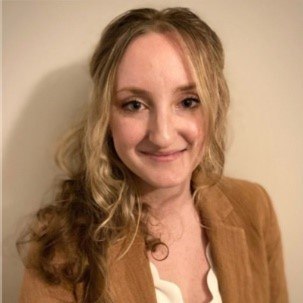
Sarah Tucker is a Senior Consultant at FMP LLC, helping organizations diagnose and solve work-related challenges. She earned an M.A. in Industrial/Organizational Psychology from Middle Tennessee State University. Sarah has worked with organizations to improve their effectiveness in multiple capacities for five + years. She is passionate about improving work-life and making a lasting impact on the human capital environment.

Emma Wright joined FMP in November 2020. She is a Senior Consultant in the Learning and Development Center of Excellence and is the FMP Blog Editor. She supports a variety of initiatives across multiple clients, including program management, strategic planning and communications, and training and development. She hails from Alexandria, Virginia, and you can often find her cooking, out at a concert, or eating at her favorite DC restaurants.